Search Engineering & Growth Insights
Algorithmic breakdowns, technical performance benchmarks, conversion rate frameworks, and paid media scaling blueprints from our senior architects.
The MissingLink Search Engineering Philosophy
Historically, digital marketing blogs regurgitate superficial tips that fail to address real algorithmic mechanics. In contrast, MissingLink SEO approaches search visibility and conversion rate optimization as rigorous software engineering disciplines.
Specifically, Jeff Coseo brings over 25 years of full-stack software development experience to every technical teardown. Because Google ranking signals depend upon millisecond browser rendering, semantic entity resolution, and localized geo-proximity, MissingLink publishes field-tested architectures rather than speculative theory.
For example, our research guides examine real Chrome User Experience Report (CrUX) field data, server-side Meta CAPI pipelines, and progressive lead form disclosure psychology. As a result, Sarasota business executives and technical directors gain actionable frameworks to accelerate organic market share.
Ultimately, whether your goal is solving Interaction to Next Paint (INP) bottlenecks or preventing PPC click fraud, these publications provide reproducible solutions.
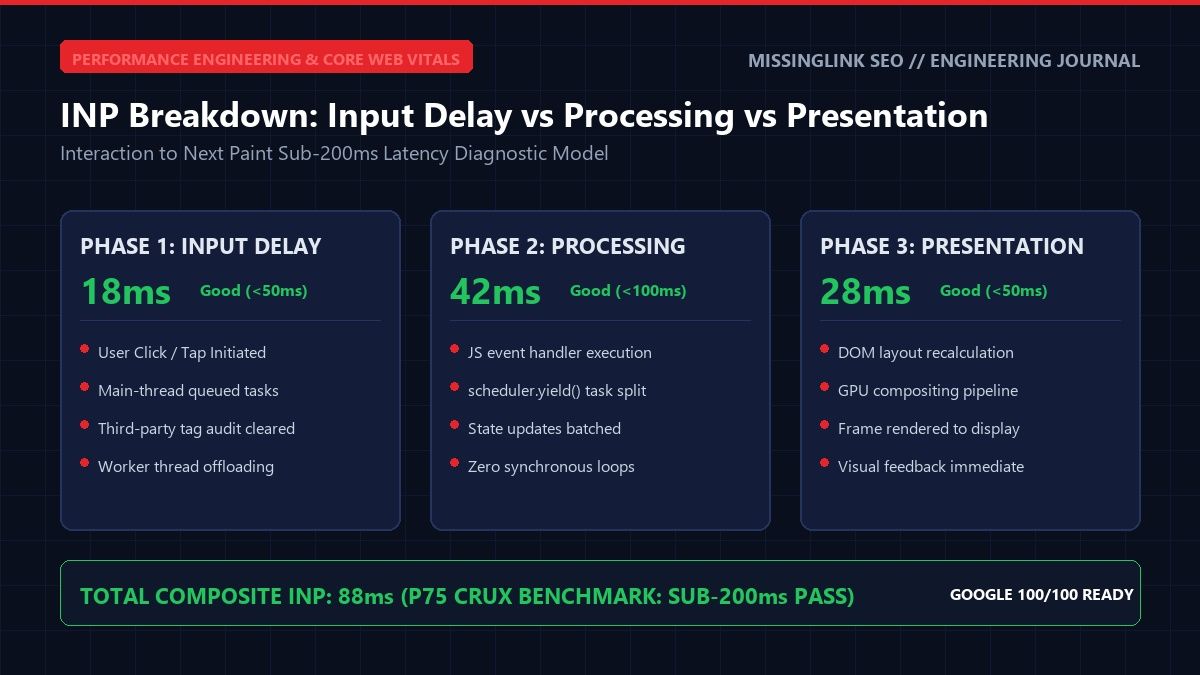
Core Web Vitals & INP Optimization: The 2026 Technical Guide
Specifically, Interaction to Next Paint (INP) is now a decisive ranking benchmark. Therefore, learning how to eliminate main-thread JavaScript bottlenecks ensures sub-200ms mobile responsiveness.

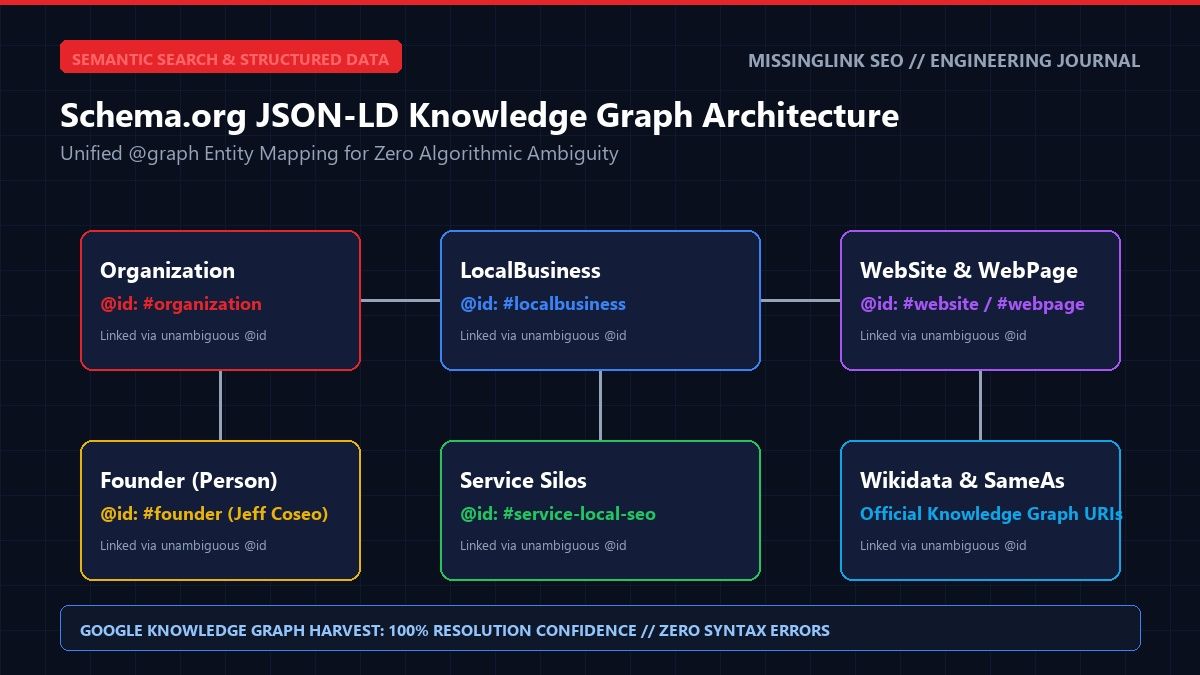
Schema.org JSON-LD Entity Graph Strategy for High-Authority Rankings
In addition, modern search algorithms resolve entities rather than basic keywords. Because structured JSON-LD entity graphs establish mathematical authority, they eliminate algorithmic ambiguity.
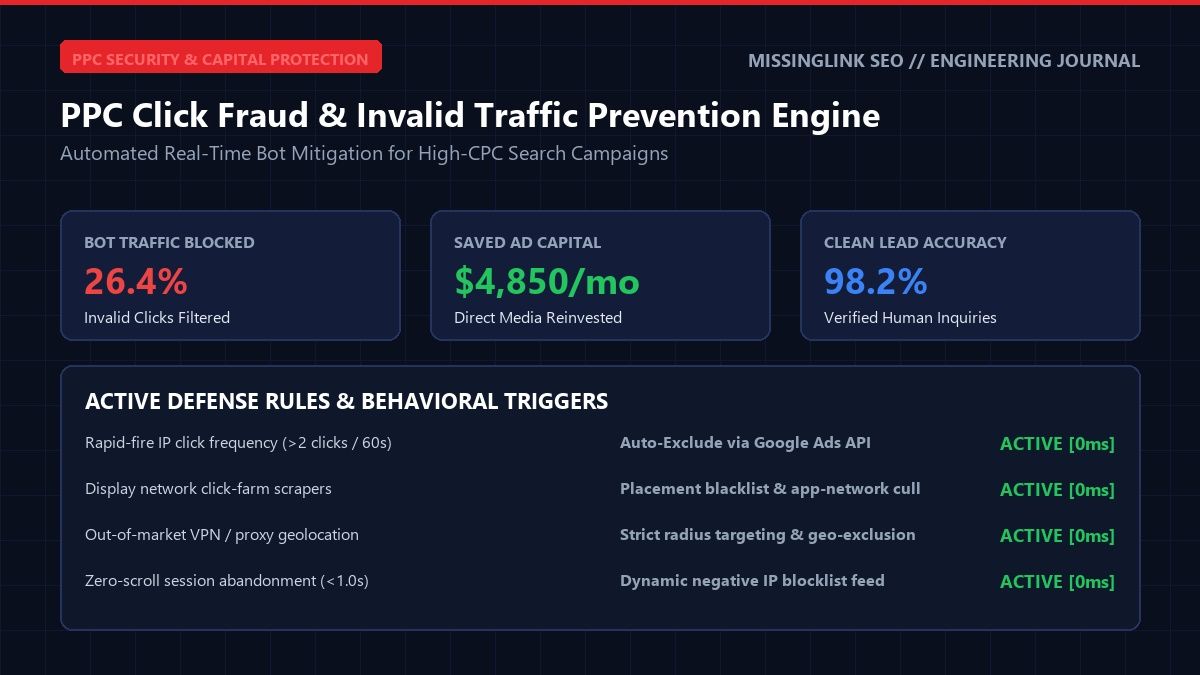
How to Prevent PPC Click Fraud & Budget Waste on High-CPC Campaigns
For example, competitive sectors with CPCs exceeding $50 often suffer 20%+ invalid traffic. As a result, deploying automated IP exclusion and heuristic click shielding protects ad spend.
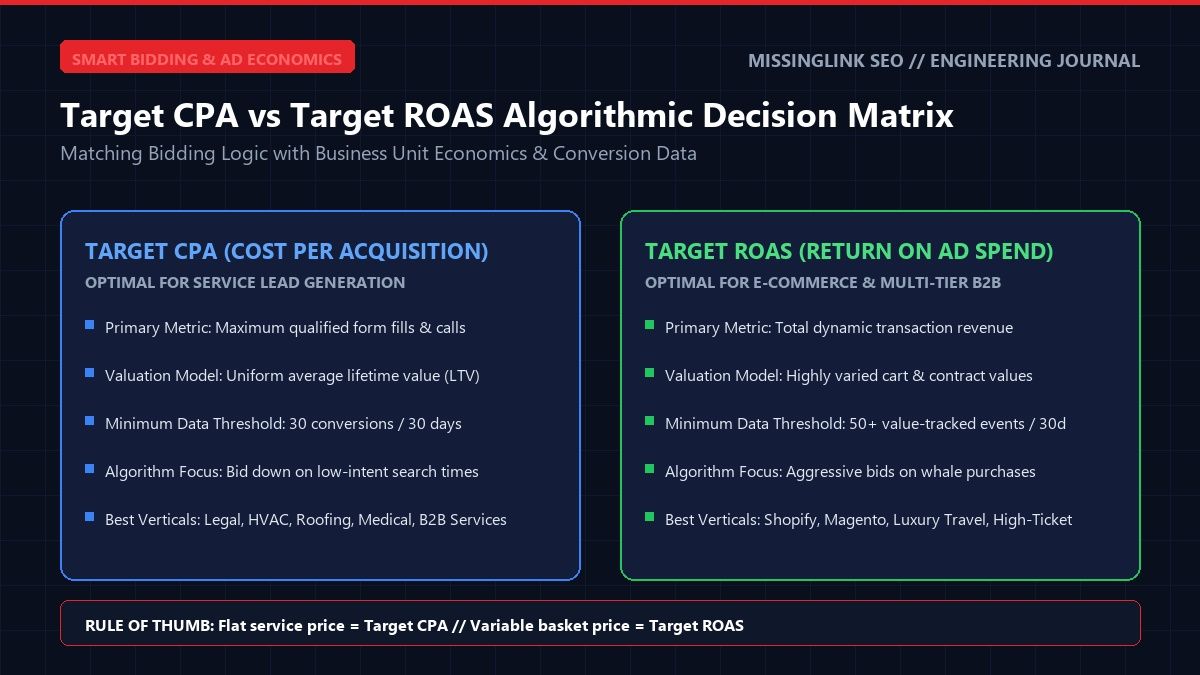
Target ROAS vs. Target CPA: Mathematical Bidding Guide for Lead Gen & E-Commerce
Meanwhile, choosing incorrect Smart Bidding configurations can stall campaign scalability. Instead, calculating conversion volume thresholds clarifies when to transition between bidding models.
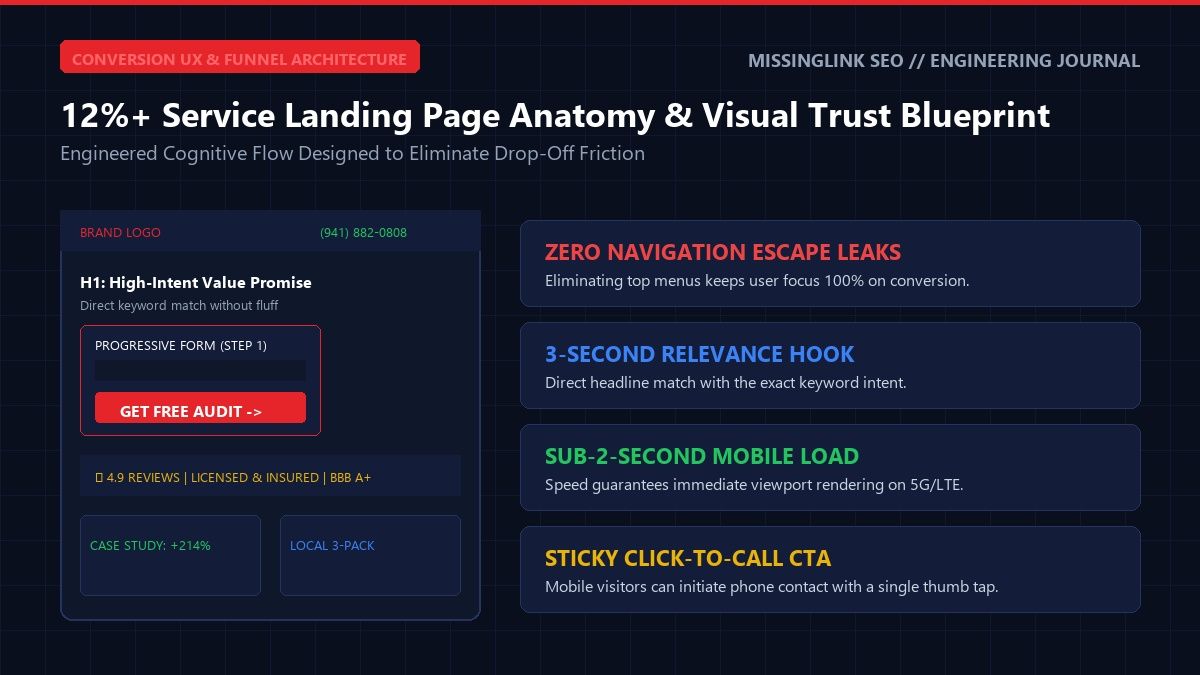
Anatomy of High-Converting Service Landing Pages (12%+ Conversion Blueprint)
Historically, typical service landing pages convert at only 2% to 4%. In contrast, implementing visual hierarchy and reduced cognitive load increases response rates beyond 12%.
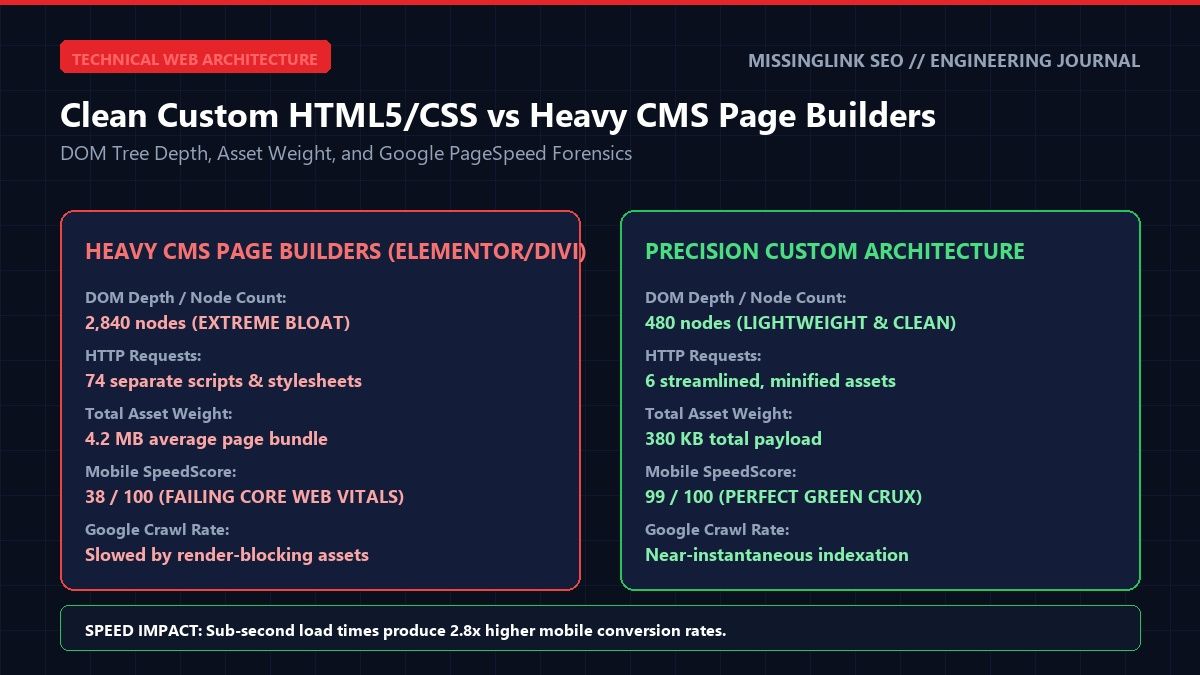
Custom Code vs Heavy CMS Page Builders: Performance, Speed & SEO Crawl Impact
Although heavy visual site builders simplify editing, they create bloated DOM trees. Therefore, precision custom web architecture reliably outperforms theme builders in search indexing.
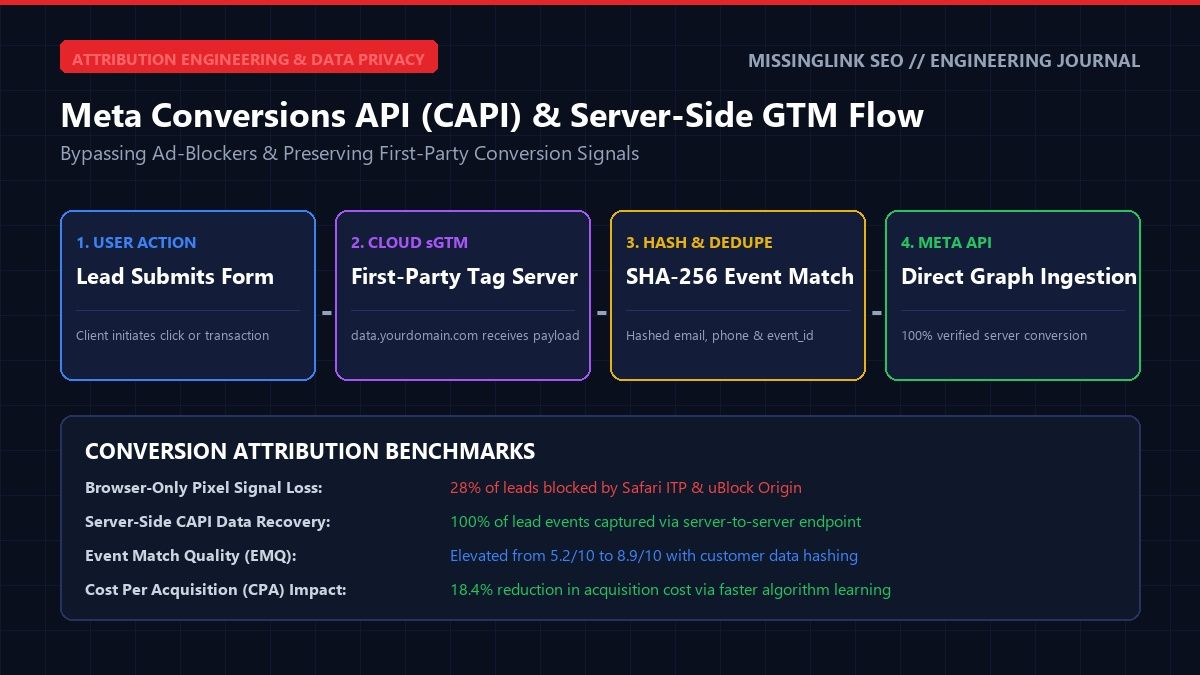
Setting Up Meta Conversion API (CAPI) with Server-Side GTM in 2026
Because browser-level tracking blocks lose up to 30% of user actions, server-side CAPI is vital. As a result, direct server event streams restore accurate conversion attribution.
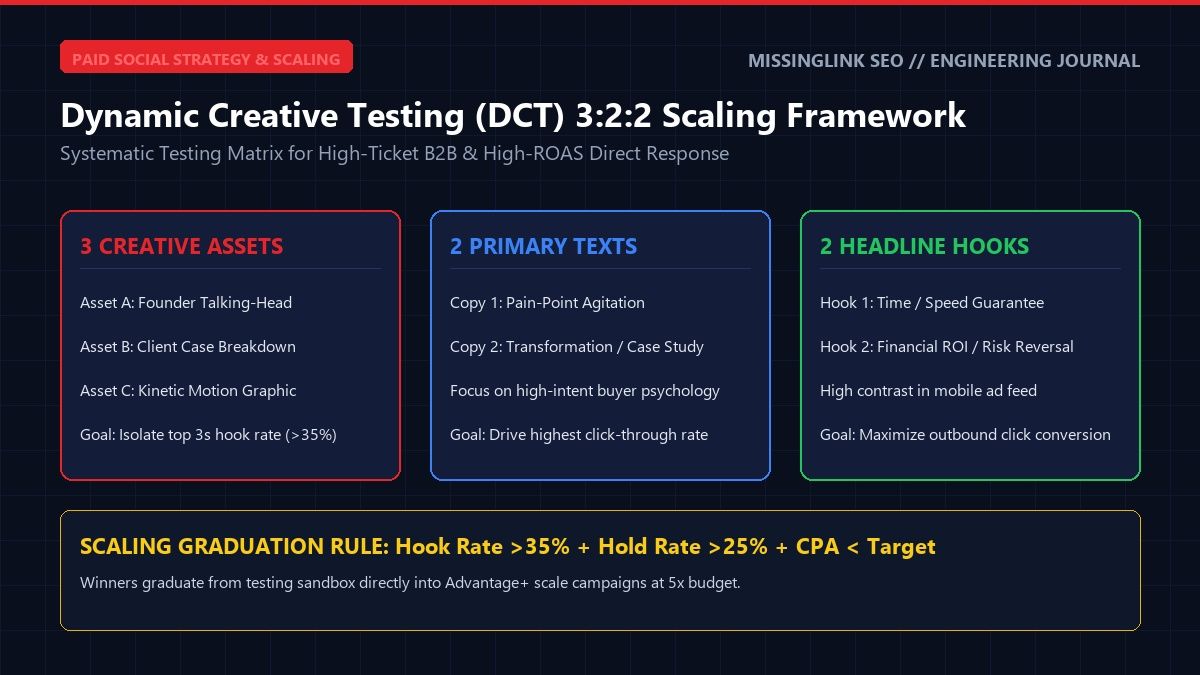
Dynamic Ad Creative Testing Frameworks for High-Ticket Lead Acquisition
Specifically, algorithmic ad targeting prioritizes creative diversity above narrow audience segments. Therefore, employing the 3:2:2 testing framework systematically defeats audience fatigue.
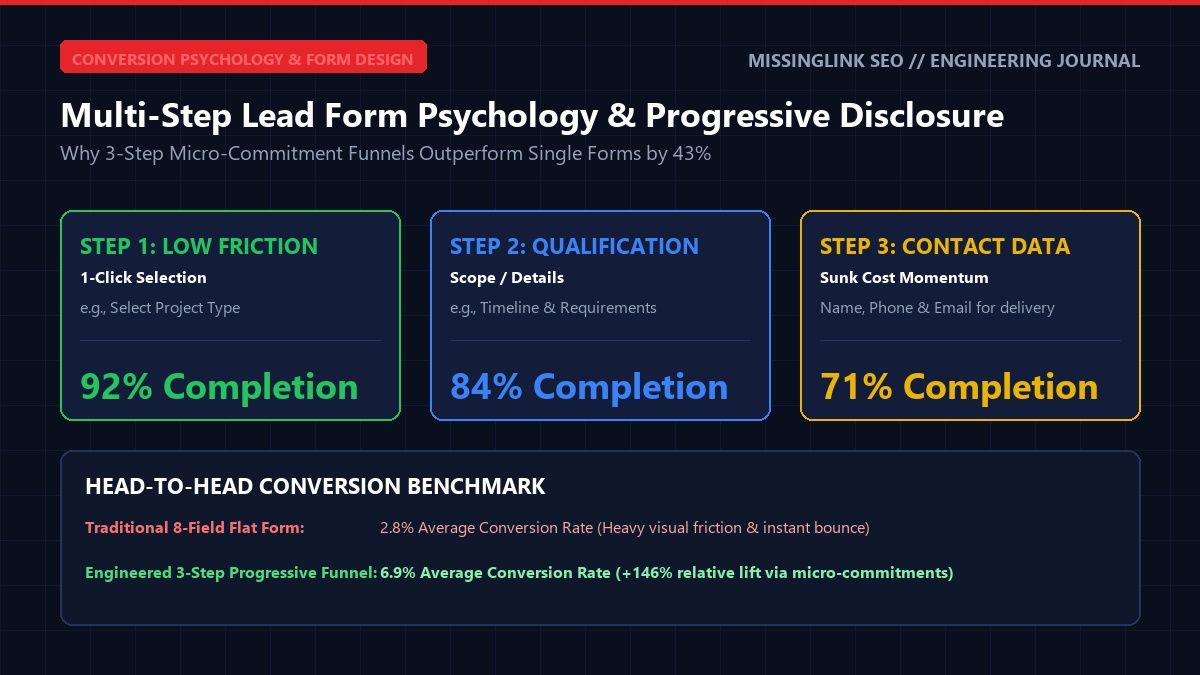
Multi-Step Lead Form Psychology: Why 3-Step Forms Outperform Single Forms by 43%
In addition, presenting multi-field lead forms upfront creates user hesitation. Instead, progressive micro-commitments dramatically increase completed inquiry submissions.
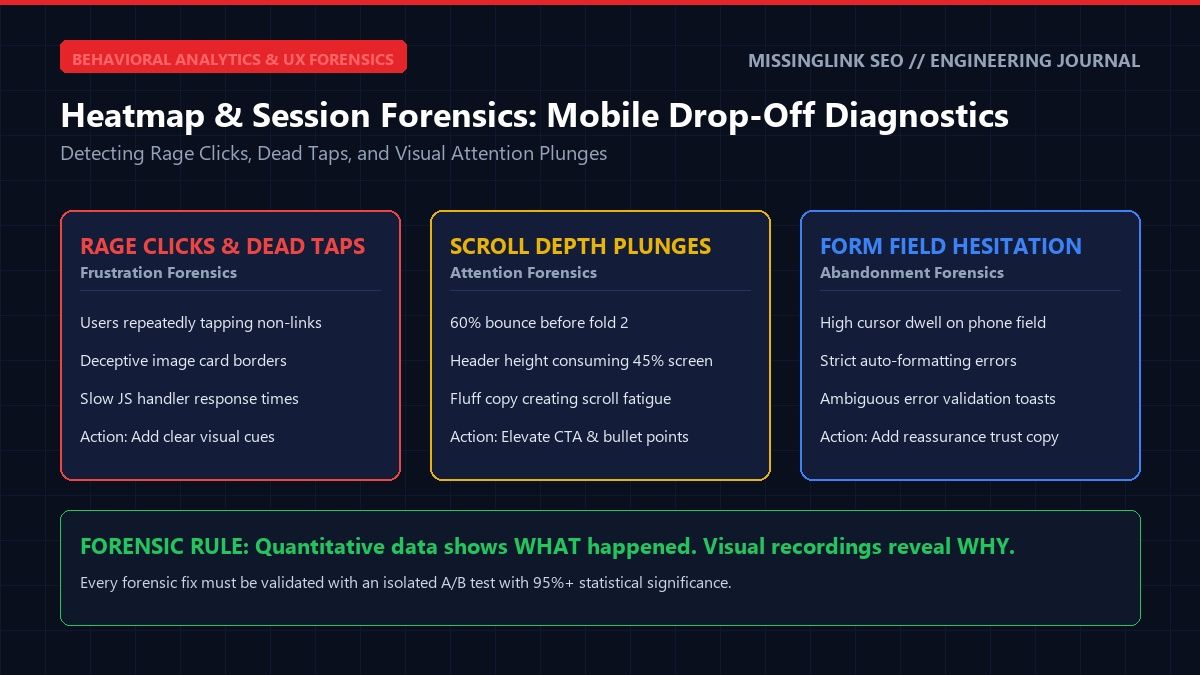
Heatmap & Session Forensics: Pinpointing Friction and Abandonment in Mobile Funnels
Meanwhile, quantitative graphs fail to reveal why visitors bounce on checkout screens. In contrast, forensic session replays expose friction points and misaligned calls to action.
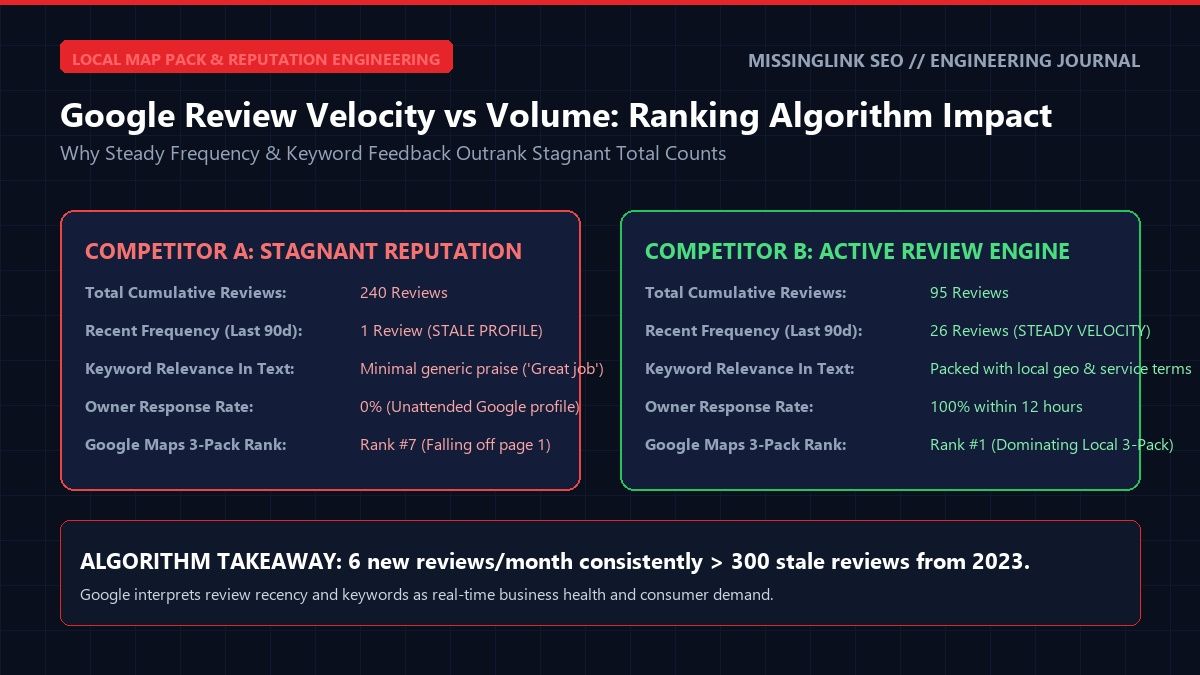
Google Review Velocity vs. Review Volume: How Frequency Dictates Ranking Algorithms
Historically, accumulated review totals outweighed recency signals. Currently, continuous review velocity and keyword-dense customer testimonials command superior local Map Pack weight.
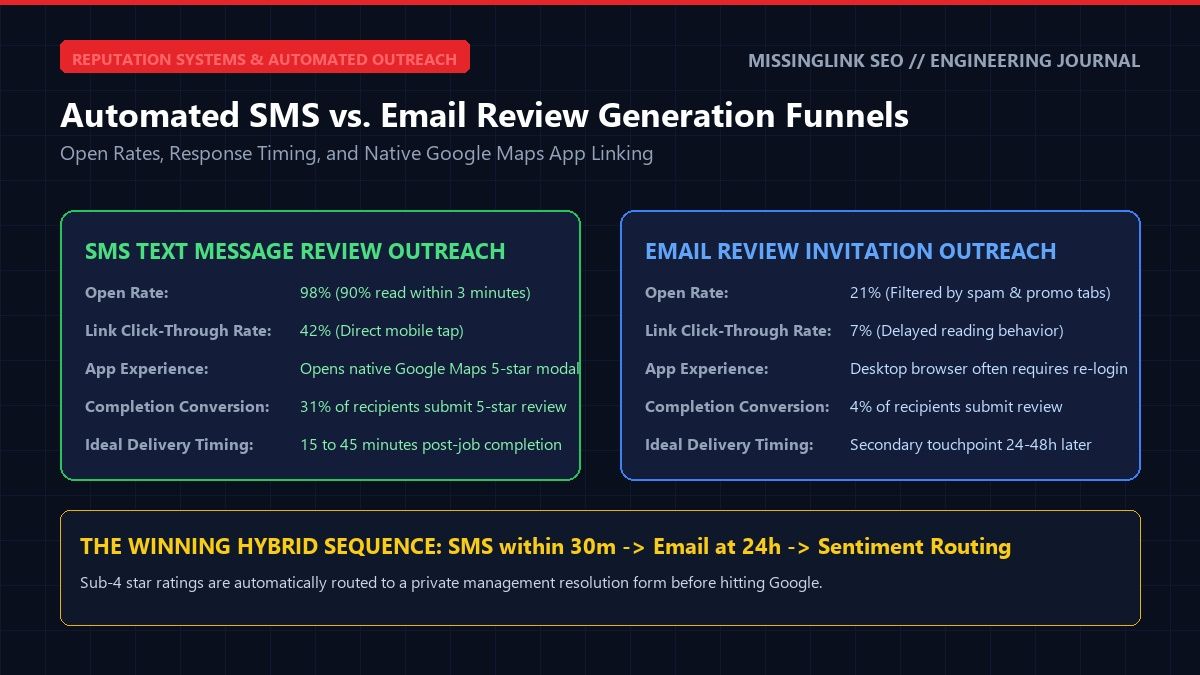
Automated SMS vs. Email Review Generation: Timing, Copy, and Response Benchmarks
For example, direct SMS review requests achieve 45% click rates compared to 8% for email. Ultimately, automating timed text prompts builds unstoppable review velocity across Sarasota.