Done-For-You Local SEO Campaign
Google Maps optimization, technical on-page fixes, city page creation, and a custom tiered backlink stack—all managed for you every single month.
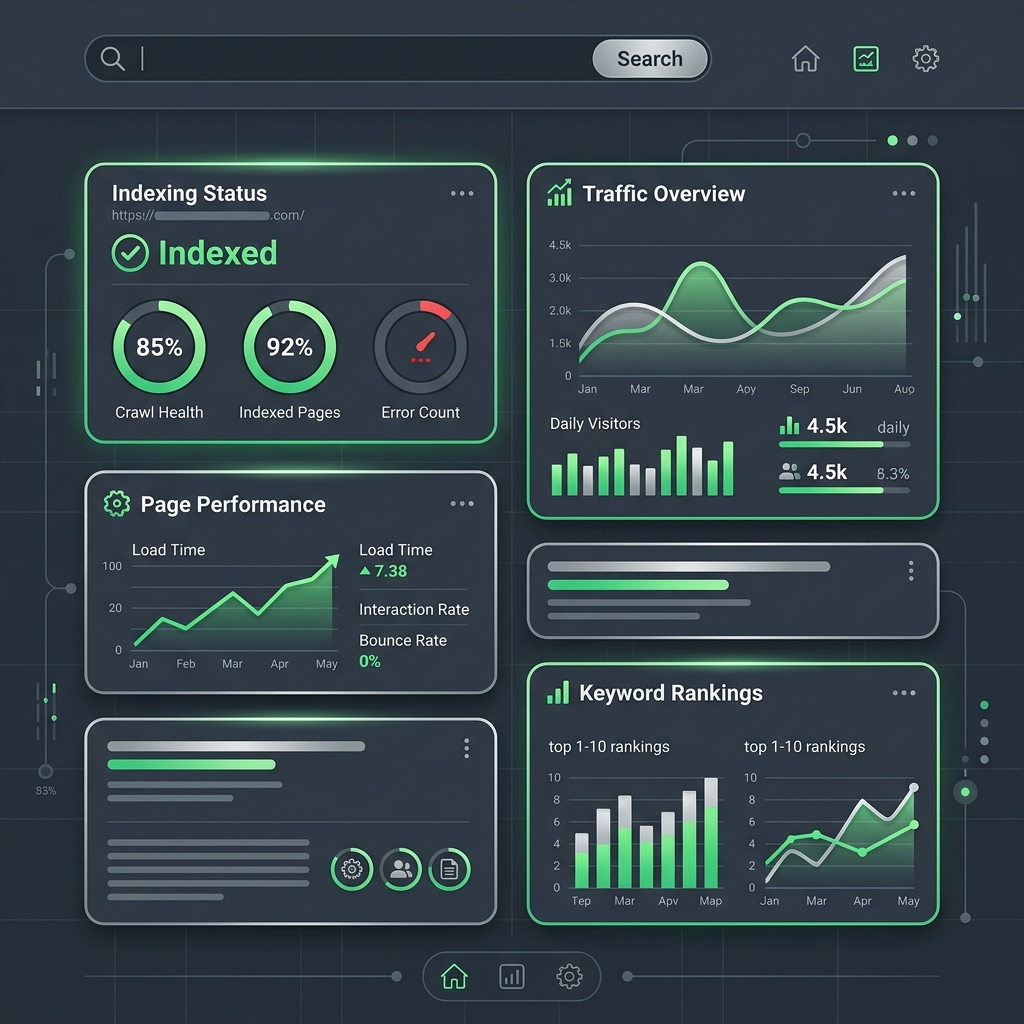
There is a persistent myth in the SEO industry: If a backlink is not indexed in Google's search results, it has zero value. Agency owners and website managers spend hours checking indexation tools, worrying when their foundational link profile pages don't show up in search results.
This anxiety stems from a misunderstanding of search engine indexation. Crawling a page and indexing a page are separate processes in Google's ranking pipeline. Understanding how Googlebot processes data at crawl time will change how you plan your link campaigns.
The Crawling and Indexing Pipeline
Googlebot crawls far more pages than it indexes. When Googlebot visits a page, it does not immediately decide to display it in search results. The pipeline follows a clear sequence:
- Crawl Time: Googlebot crawls the HTML, registers all outbound links, reads the anchor text, and records the referring domain relationships in its link database.
- Signal Processing: Google extracts the entity signals, brand name references, phone numbers, and topical associations from the content surrounding the link.
- The Indexing Decision: Google decides whether to index the page—meaning, whether to show this specific URL to searchers looking for info.
If Googlebot crawls a standard profile page on an authority hub (like GitHub or Crunchbase), it registers your link and brand signals. However, it will often decide not to index that profile page to avoid cluttering search results with duplicate profile templates. The link relationship is fully processed and recorded in Google's database at crawl time, regardless of whether the profile page is surfaced in search results.
How Entity Signals Impact Rankings
Modern search engines are entity engines. They build relational knowledge graphs of businesses, people, and topics. AI search tools (like ChatGPT, Perplexity, and Google AI Overviews) rely heavily on these relationships.
When Google crawls your manual profile links, it registers consistent references to your brand entity (such as your business name, address, phone number, and website URL). This consistent footprint validates your business as a trusted, real-world entity. This trust is built at crawl time—long before indexing filters are applied.
If you evaluate your backlink campaigns purely on indexation metrics, you are missing the bigger picture. Focus on getting crawled by search engines, securing clean contextual anchors, and building your entity footprint on high-authority hubs.
Establish Contextual Relevance:
Google registers your brand's presence and anchor text at crawl time. Feed the Knowledge Graph with manual entity links by ordering our high-authority Branded Foundation Links today.
Apex Local Rankings Fulfillment
Instead of chasing indexing metrics, let us build topically deep, update-resistant local authority for your business. Partner with us under the monthly Done For Your Local SEO Campaign to automate your entire strategy.
Ready to Build Real SEO Authority?
Stop guessing and start ranking. Send us a message and we'll analyze your current link profile and map out a clear path to local dominance.
Contact MissingLink SEO